İçindekiler (6)
General Information
Baking paper or grease-proof paper is generally used for pastries to prevent the food from sticking to the paper. These products, more commonly known as grease-proof paper, can also be used by expanding their main purpose. For example, it can be used to prevent cheese from sticking to the toaster when making toast, or for serving greasy foods such as french fries for children. Since it is impermeable to grease and water, it can also be used for serving hot and greasy foods.
WRAPPING PAPER
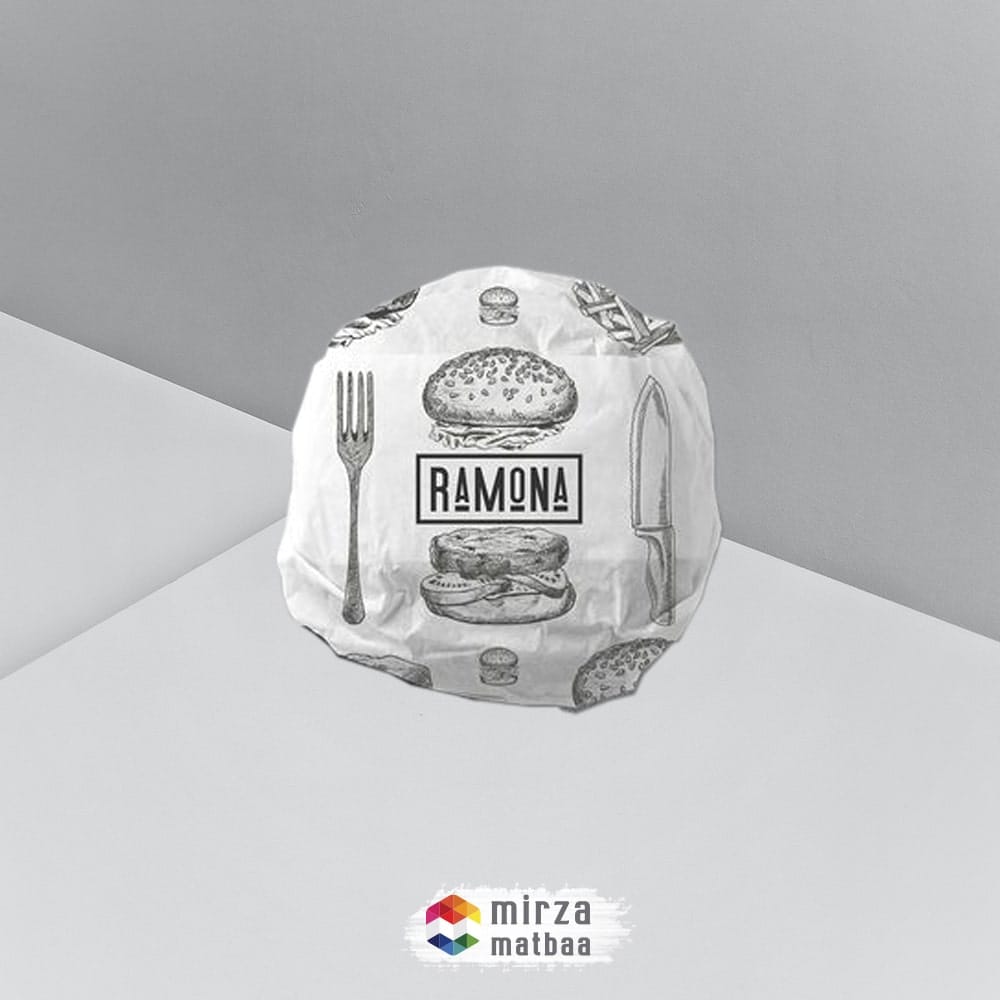
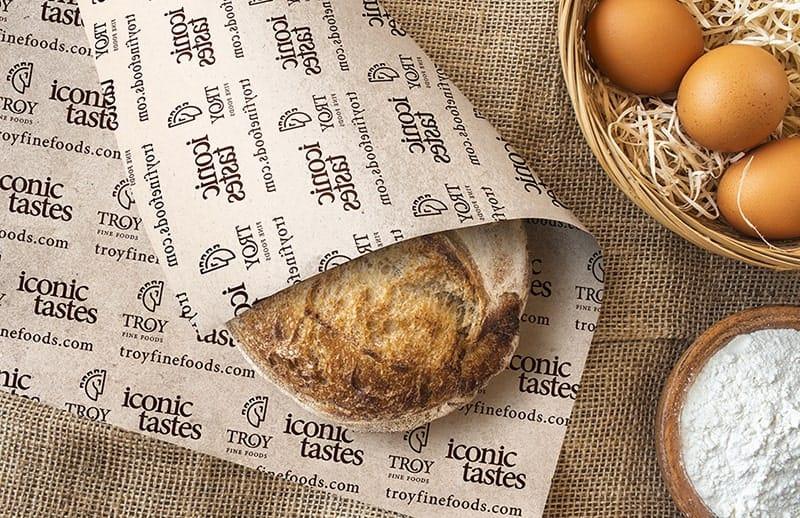
Grease-proof paper, as a type of wrapping paper, is also used as simit paper or pastry paper. Due to the way they are made, the outer surface of pastries and simit is usually greasy and messy. This reduces comfort. Grease-proof wrapping paper enables these baked goods to be consumed easily. The same applies to packaged wrap (dürüm) sellers. A semi-transparent protective paper is usually used to prevent grease from getting on the hands while eating a wrap. This is also called wrap paper. Nowadays, instead of the plastic-bag-like sleeves used in the past, more organic papers that do not cause problems in contact with food are used. Generally, standard grease-proof wrapping papers are not suitable for very saucy foods. They are mostly produced to be used for baked goods, delicatessen products and, in some cases, as paper pouches in places like patisseries. In places where products with plenty of sauce and grease are sold, such as some fast food and dessert shops, wrapping papers such as sulphite paper are more commonly used. Sulphite papers are just one of the wrapping papers categorized by their production method. These products, made from cellulose pulp, are generally used as tray paper and hamburger paper in fast food restaurants, although they are also used for some baked goods. The main purpose of these papers is not to be impermeable to grease. Paper pouches are also a good example for packaging. They mostly cannot retain the grease of a pastry. On the other hand, by having these papers printed, you can have a great tray or hamburger paper prepared for your company.
The Difference Between Grease-Proof Paper and Baking Paper
Despite the similarity in their names, grease-proof paper and baking paper are completely different products and should not be confused. Grease-proof paper is a wrapping paper of 35-45 g/m² weight that provides grease resistance through a mechanical compression or wax coating process. It is used in food service applications such as hamburgers, burgers, and sandwiches, but it is not designed for baking. Baking paper (parchment paper) is an oven paper of 40-50 gsm weight, silicone-coated, and heat-resistant up to 220°C. It is laid on trays for baking cookies, cakes, and bread. When these two are confused — if grease-proof paper is used in the oven, there is a risk of burning and smoke; if baking paper is used for packaging purposes, the problem of not being able to print arises.
How Grease Resistance Is Achieved
There are two basic methods that provide grease resistance in grease-proof paper: Mechanical compression (calendering) — during paper production, the paper is compressed under high pressure to reduce the gaps between cellulose fibers. Since no chemical coating is used, it is a healthier method preferred in terms of food safety. Wax coating — a thin layer of wax is applied to the paper surface. Grease resistance is strong, but it is disadvantageous in terms of recycling and compostability. PE (polyethylene) coating — a plastic film coating instead of wax, common in modern fast food chains. It is microwave-safe but difficult to recycle. Sustainable brands prefer calendered (natural) grease-proof paper.
Paper Selection by Area of Use
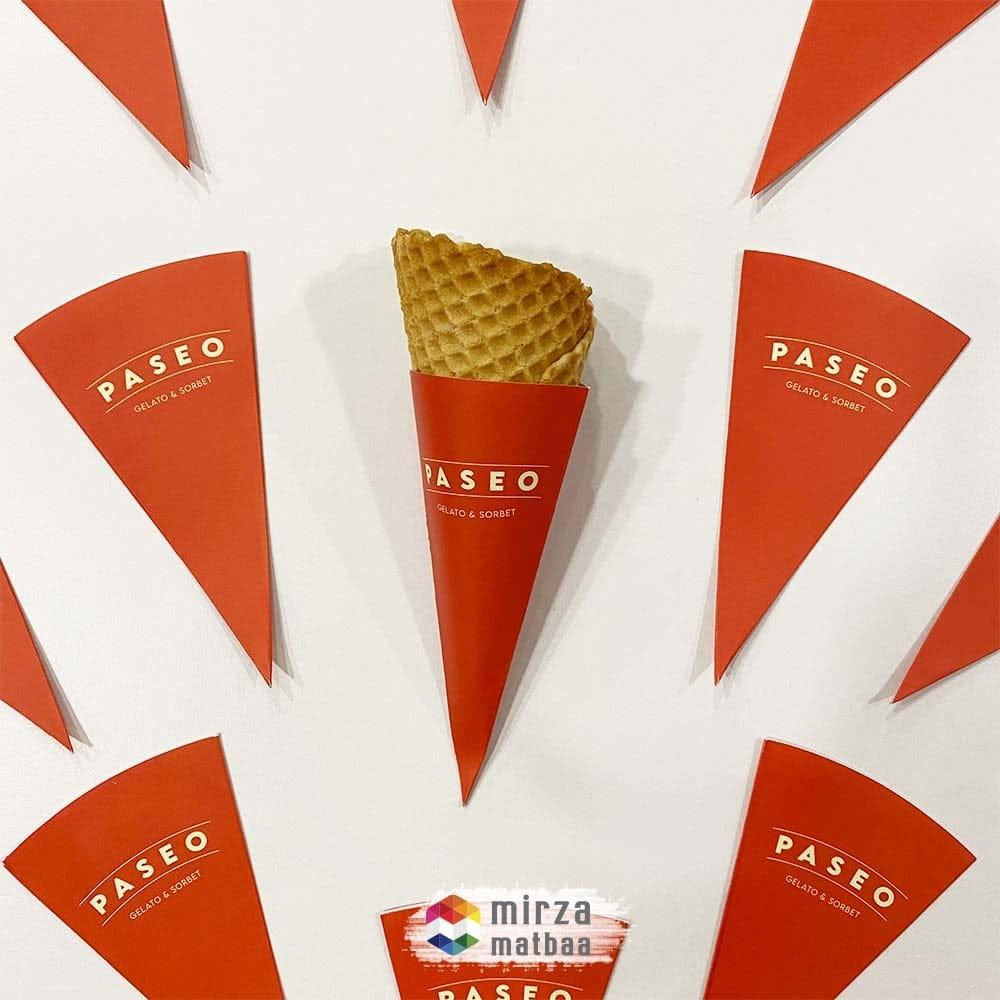
For fast food burger wrapping, 40 gsm calendered paper (natural grease-proof). For ice cream cone wrapping, 28-32 gsm thin grease-proof paper. For waffle and pancake service underlay, 45 gsm wax-coated paper. For döner and kebab takeaway service, 50 gsm PE-coated paper. For presentation of patisserie products, 30-35 gsm transparent semi-translucent paper. For fish and meat counter wrapping, 60+ gsm strong paper. For each area of use, the right weight + coating selection is critical in terms of the product's presentation and durability.
Frequently Asked Questions
Can grease-proof paper intended for packaging be used in the oven?
No. Grease-proof packaging paper is not resistant to oven heat; it may burn or its print may melt. Special silicone-coated baking paper is required for oven use.
Is there grease-proof paper suitable for the microwave?
Yes. PE-coated grease-proof paper is suitable for short-term heating in the microwave. There is a risk of wax melting in wax-coated paper; do not use wax-coated paper in the microwave.
Is grease-proof paper safe for food contact?
The grease-proof paper used in Mirza Matbaa's production complies with FDA and EU food safety standards. The combination of acid-free ink + cellulose-based paper is safe for direct food contact.
Is there a sustainable grease-proof paper alternative?
Yes. FSC-certified recyclable kraft-based grease-proof paper is the sustainable option. The wax-coated version is biodegradable, an eco-friendly choice compared to PE coating.