İçindekiler (8)
General Information
While the range of products each store sells and the items that highlight the brand name differ, the way they box their products also varies. However, even though box types differ, all brands that hold a strong position in the industry know the importance of packaging and pay extra attention to it so that their brand looks professional. From food to clothing, from electronics to kitchen products, in every sector the presentation and the protection of products through the way they are boxed holds a very important place. At this point, different types of product boxes come into play according to the sector and store budgets. Product boxes such as cardboard boxes, greyboard boxes, kraft boxes and corrugated boxes are the prominent types among box options.
Cardboard Product Box Models
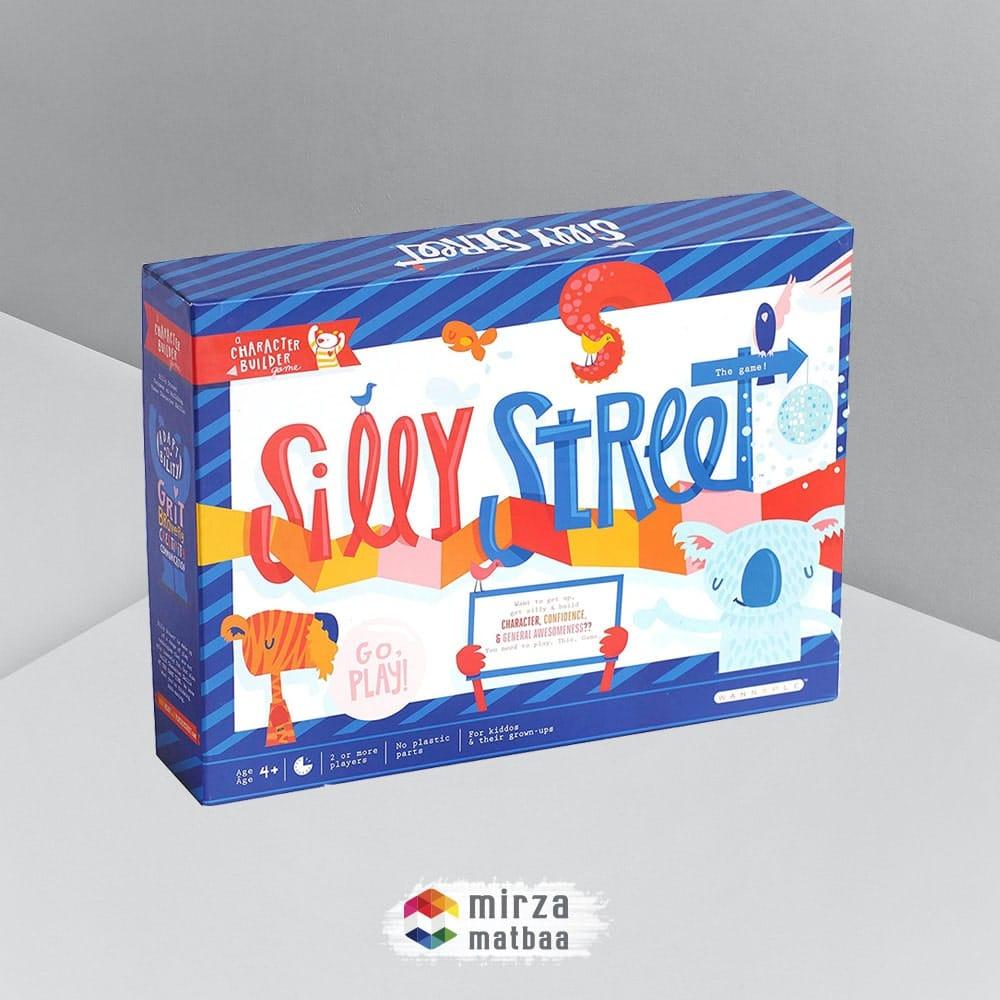
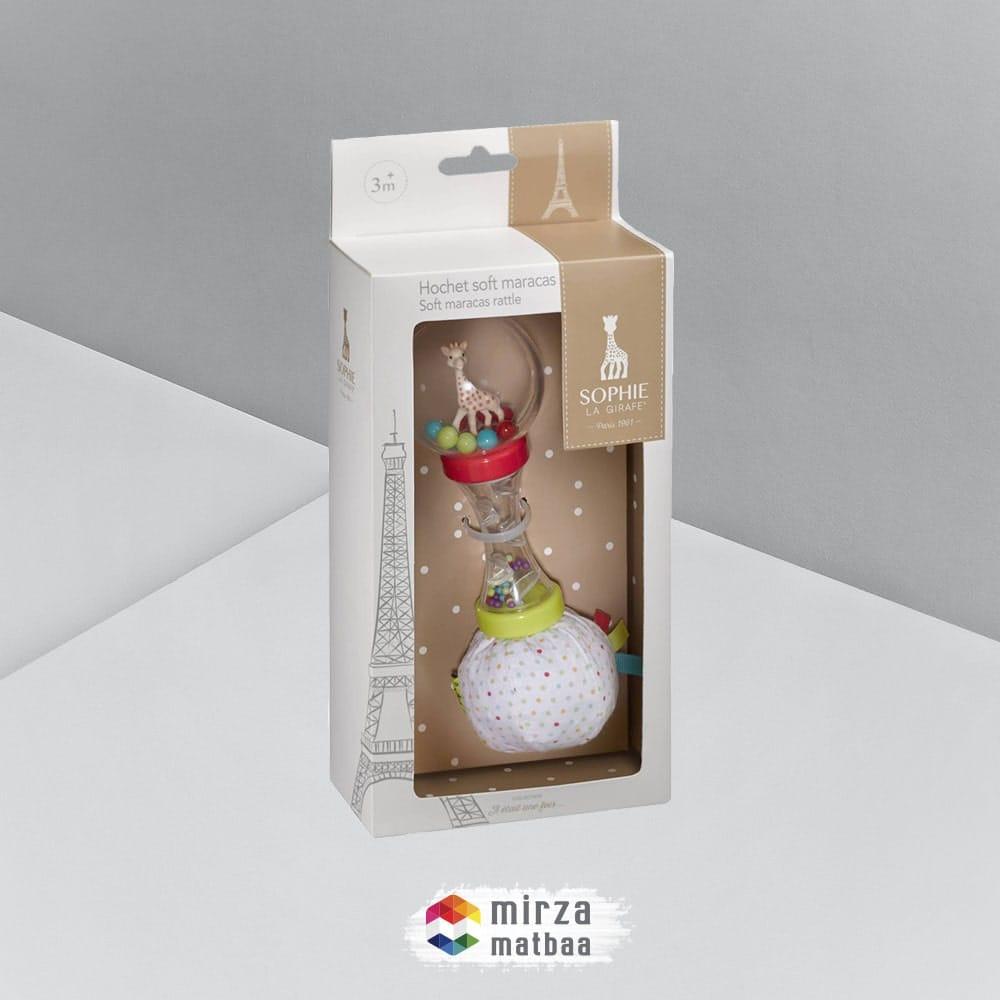
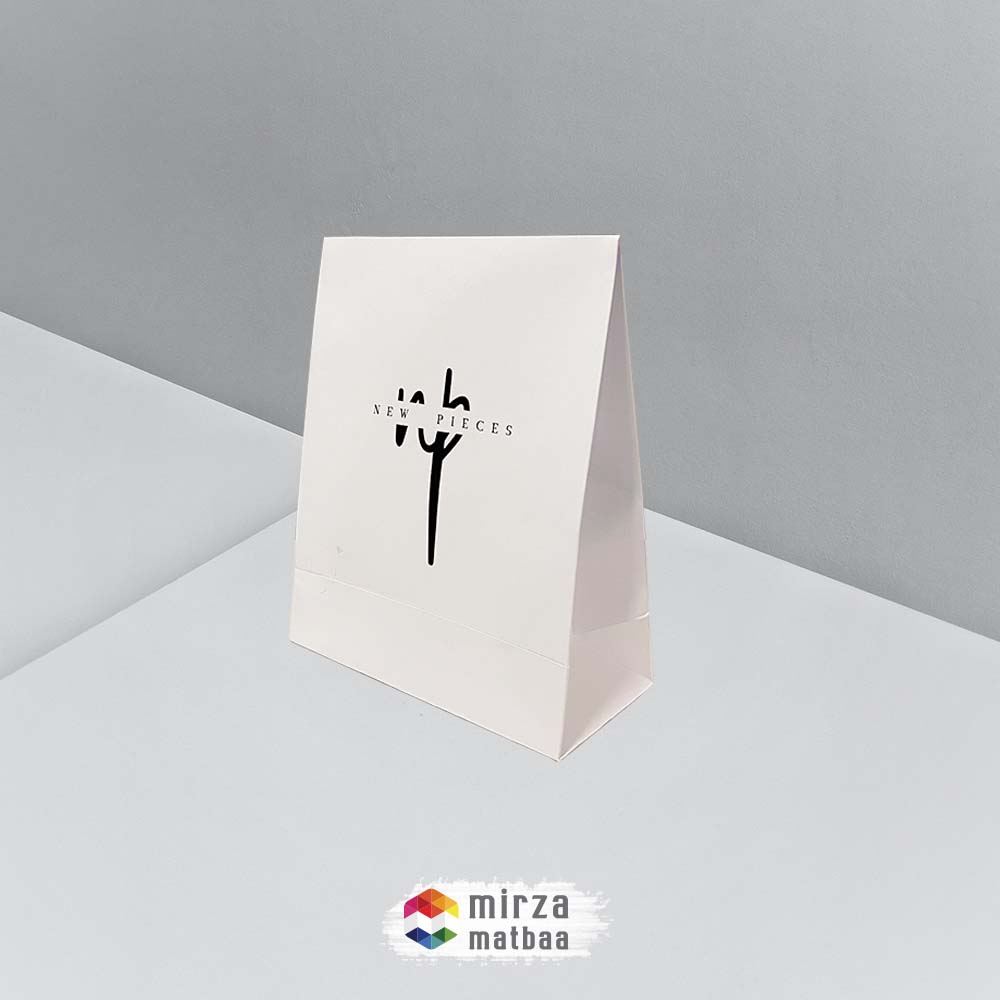
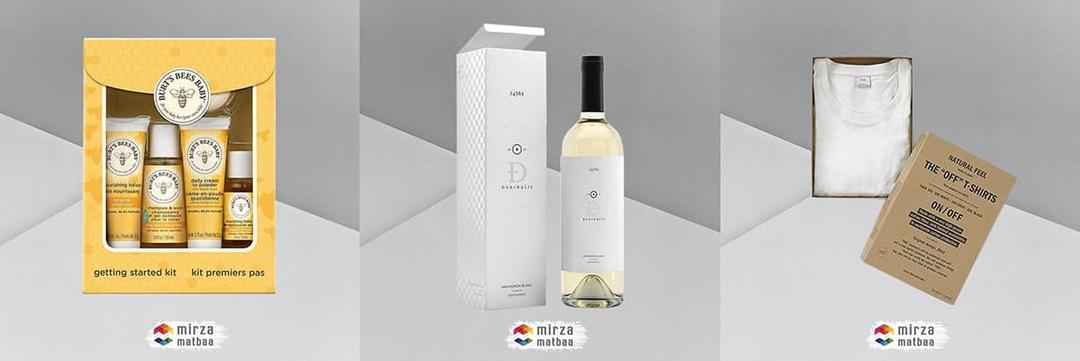
Among the types of packaging, cardboard box types rank first thanks to both their suitability for every sector and their affordability. Cardboard packaging options are especially considered for products that carry gift value. Cardboard boxes can be preferred for many products such as clothing, jewelry, gift items and more. While professional brands lean towards cardboard box models, they also make sure that the boxes are custom-made for their brand. At this point, box printing technique comes into play. These boxes, featuring the brand's name and logo, ensure brand consistency at every stage from product presentation until it reaches the buyer. Cardboard boxes can be colored, lidded, printed, and available in many different sizes and thicknesses.
Rigid Greyboard Product Box Models
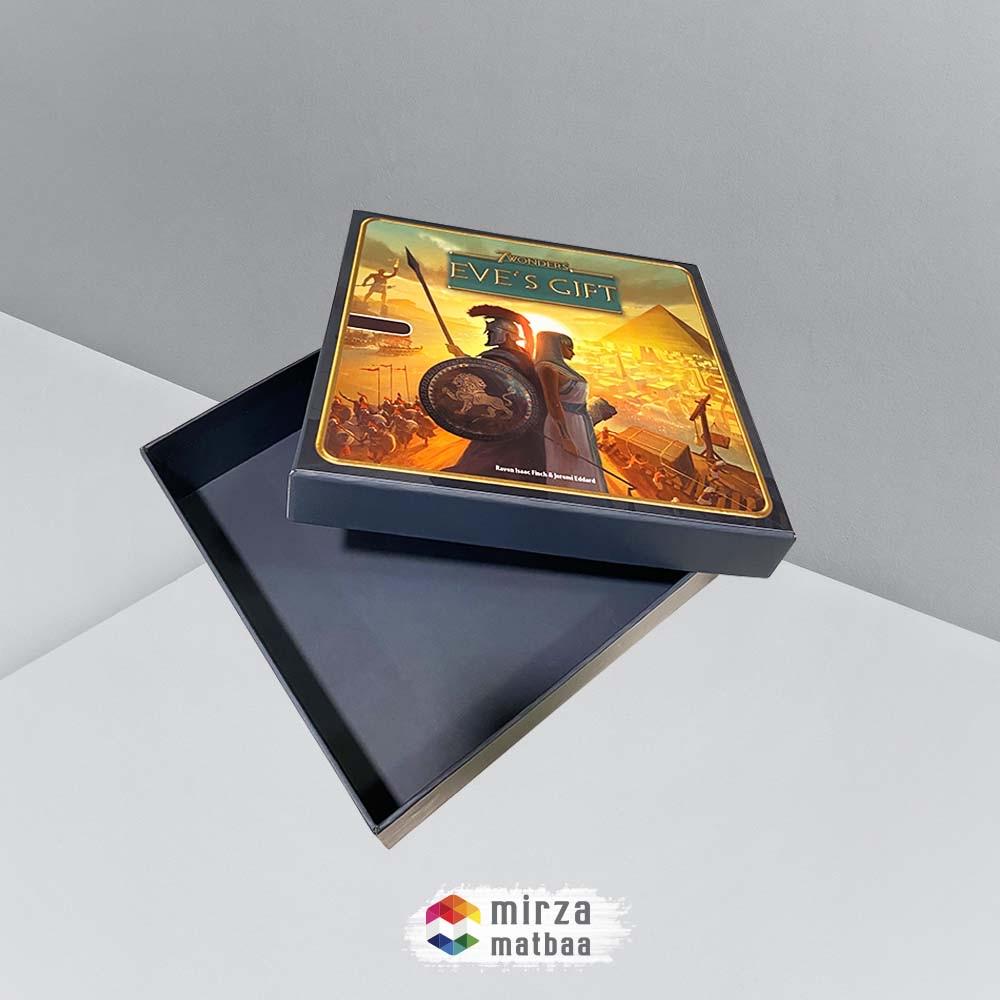
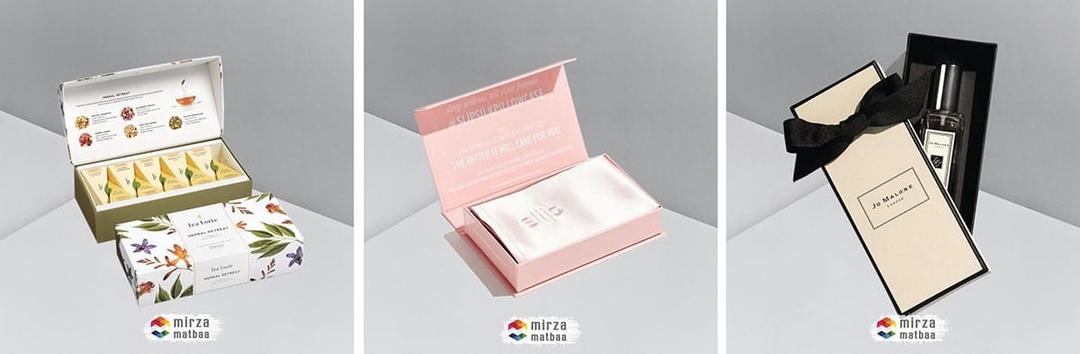
Brands that sell fragile products want the boxes to be resistant to load and dropping when packaging their products. This way, products that may break or get damaged such as kitchenware, electronic products or accessories can be protected against external factors. Some food brands may also prefer rigid greyboard product boxes in order to maintain the cold chain. Rigid greyboard product boxes can also be printed, just like cardboard boxes. They can be produced to match store colors and in many different sizes. Because they are heavier than other box models, companies that carry out shipping operations need to take this feature into account. While the thickness is a disadvantage in terms of weight, it is an advantage when it comes to being resistant to moisture.
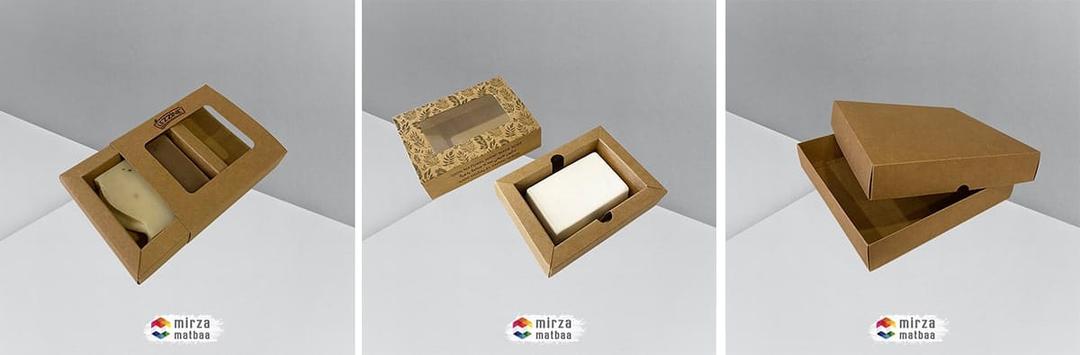
Kraft Product Box Models
The box type that stands out for its lightness and ease of use is kraft box types. The fact that all famous brands have been turning to kraft in recent times increases the demand for kraft boxes and pouches day by day. Many companies, large and small, add elegance and convenience to their packaging with kraft products. With its distinctive color and ease of use, kraft product boxes are the most preferred box type especially in the food and clothing sectors. Kraft boxes can also be printed. The point to consider regarding this type of box is that the kraft paper type is not resistant to water. For this reason, while it is preferred especially for products targeting cold weather conditions, it should be kept in mind that kraft product boxes may dissolve.
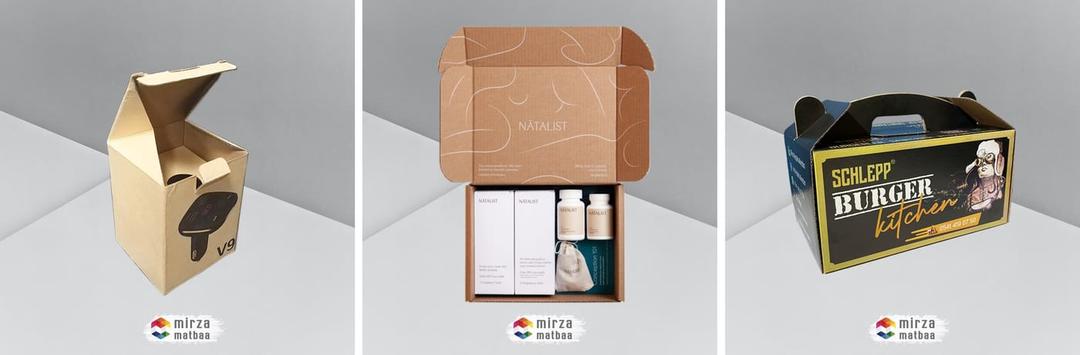
Corrugated Fluted Product Box Models
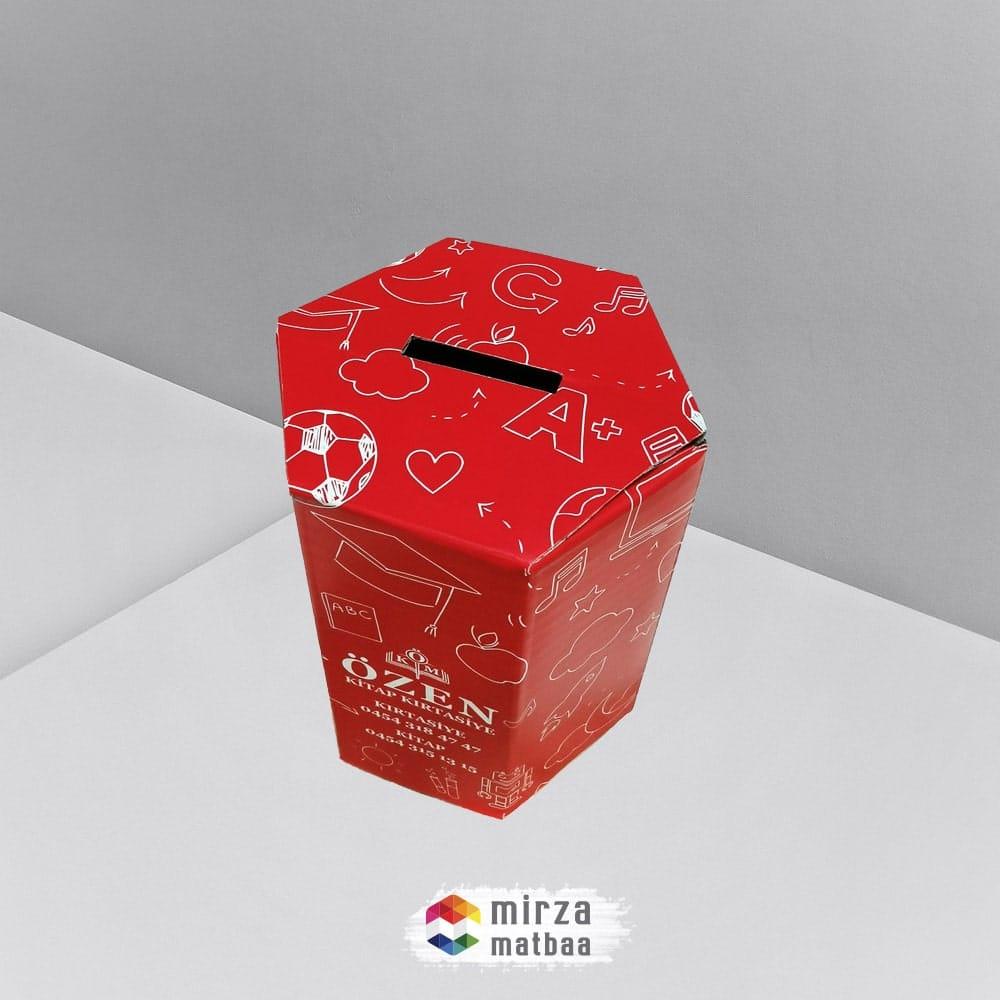
Sellers who want to deliver their products to the buyer with an elegant and durable presentation turn to corrugated fluted box types. These boxes, which are self-locking, can both be easily opened and closed and are a single piece. Thanks to the flutes on their edges, the lid fits exactly onto the box and reduces the risk of the box opening. This way, the product can be transported easily within the box without the risk of spilling or falling. Corrugated fluted product boxes are usually made of cardboard or greyboard. Just like other box types, they can be made printed. Because both the amount of material used is high and they are designer boxes, they can be slightly more costly than other types of product boxes.
Box Categories by Product Segment
Product box selection varies according to the sector and the character of the product. Cosmetics — single box with tube for cream/lotion + gift set box. Perfume — rigid greyboard + foam insert layout + premium lamination. Jewelry — drawer/magnetic + flocked foam. Textile — large-volume cardboard + windowed option. Food — hamburger/pizza/cake/macaron, FDA-compliant paper. E-commerce shipping — locking corrugated, self-lock. Electronics — micro corrugated + foam insert. Gift — drawer/magnetic premium. For each category, the right material (cardboard/greyboard/corrugated), the right thickness, the right printing + lamination + finishing techniques are selected in different combinations.
5 Critical Decisions Before Your First Box Order
The 5 decisions you need to clarify before your brand's first box order: 1) Material — cardboard (economical), greyboard (premium) or corrugated (shipping). 2) Size — standard ready-made die or custom-size die. A custom die involves a one-time charge on the first order. 3) Print color — single color (economical), 4-color CMYK (standard), foil/embossing (premium). 4) Surface finishing — lamination (matte/gloss/soft touch), UV varnish, foil. 5) Quantity — the unit price varies by 50-70% across the range of 250/500/1,000/2,500. These 5 decisions determine your total budget; for a trial order, a digital print test of 100 units is possible.
Frequently Asked Questions
Which box type is suitable for my product?
Product weight, size, shipping/shelf use and your brand positioning are decisive. For premium cosmetics, magnetic greyboard; for textile stores, windowed cardboard; for e-commerce shipping, locking corrugated; for organic soap, windowed kraft is recommended.
What is the difference between standard size and custom size?
Standard size is economical and fast (minimum 250 units, 10-14 business days). Custom size requires a custom die (minimum 500-1,000 units, die charge on the first order, 14-18 business days). If your product fits a standard size, standard is recommended.
Why is the minimum order high?
Offset printing plate setup + die preparation is a fixed cost. At low quantities, the unit cost becomes very high. Small quantities (100) are possible with digital printing, but the price per unit is higher.
Is a proof possible before the first order?
Yes, in custom-die productions, physical proof (sample box) production is a standard stage. After proof approval, mass production begins. This stage adds 5-7 business days but prevents errors.