İçindekiler (7)
General Information
Cardboard bags, which are replacing plastic bags, are attracting great interest from many sectors. With their elegance, ease of use, and recyclability options, many industries are turning to cardboard bags. Made from thick cardboard or Kraft bag paper, these bags also reflect an environmentally friendly philosophy onto brands. With this collective shift, the interest the cardboard bag sector receives grows by the day. While brands that look professional or want to appear professional turn to printed cardboard bags, small businesses tend toward inexpensive cardboard bags. Companies that reflect their brand onto the bags they use through printed cardboard bags improve their options for impressing customers and advertising. Small brands or shops, on the other hand, take a nice step toward protecting the environment by choosing inexpensive cardboard bags. Before making this shift, a store or brand should also pay attention to certain steps.
Cardboard Bag Printing
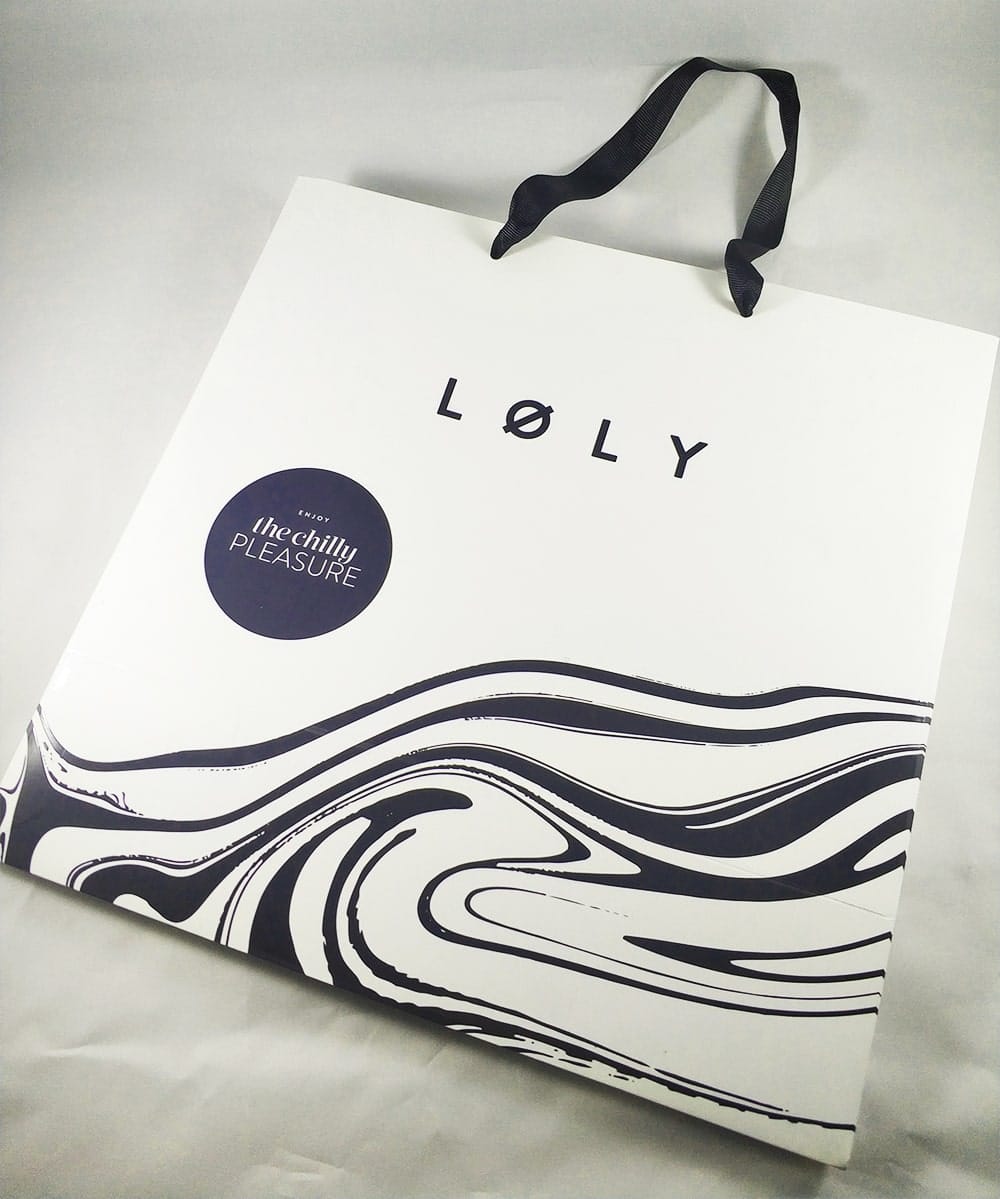
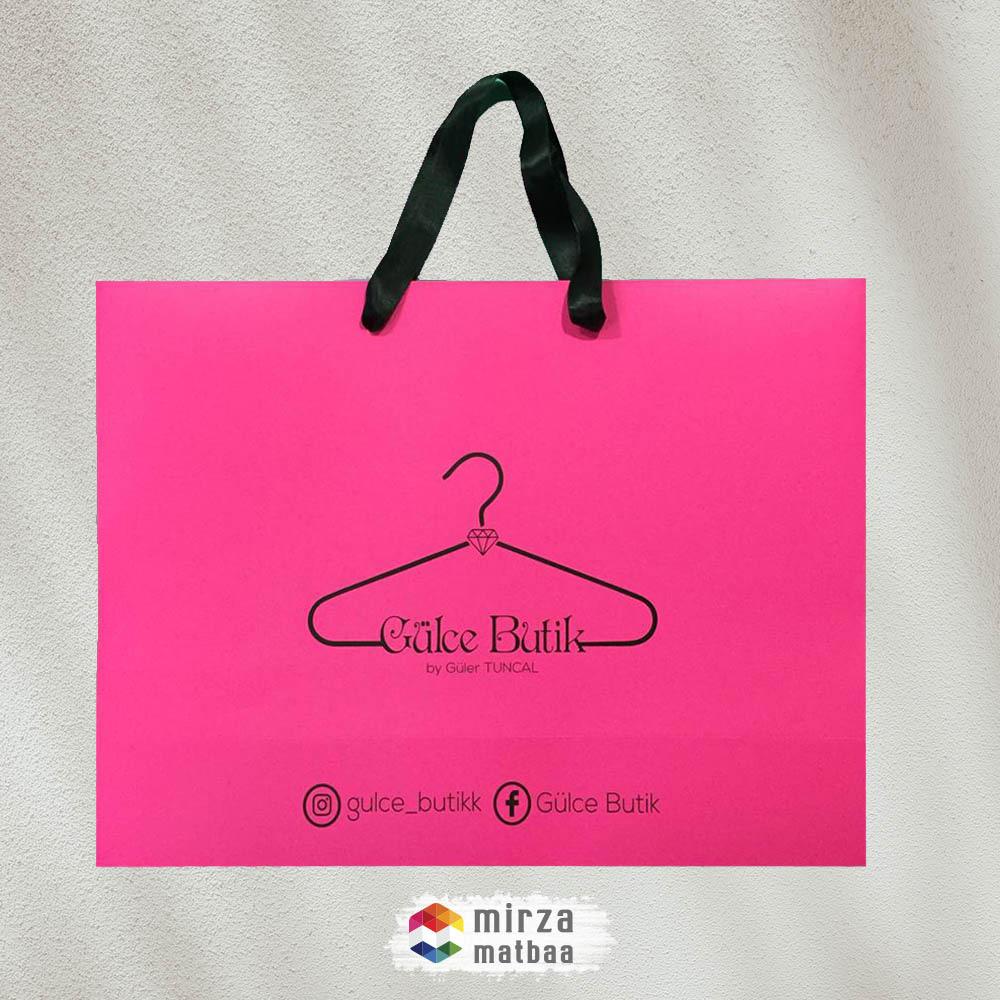
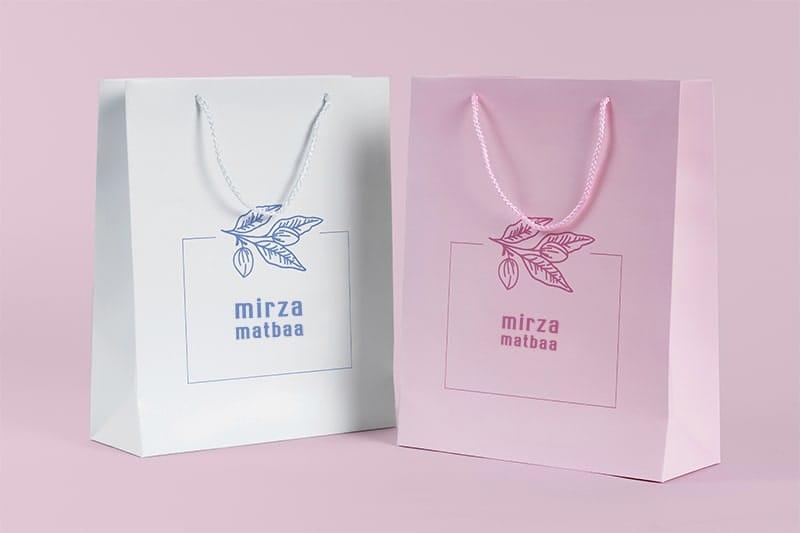
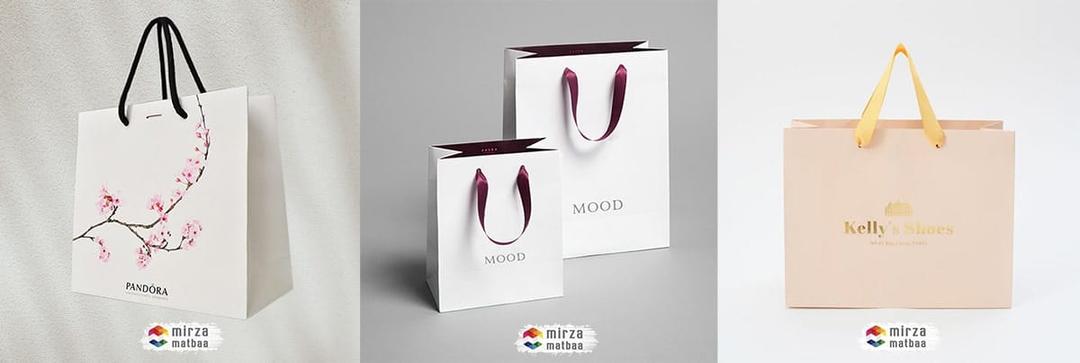
Today, cardboard bags are frequently preferred printed rather than plain and blank. Most companies turn to custom printed cardboard bag services to place their own logo on the cardboard bag and advertise their company. With the cardboard bag printing service, you too can have your logo printed on any cardboard bag you wish.
What to Know When Buying Cardboard Bags
First of all, many store or brand owners avoid choosing cardboard bags because they see the shift as a larger expense. However, just as there are inexpensive options, those who make wholesale cardboard bag purchases can reduce the cost per bag. As with every wholesale purchase, those who buy wholesale paper bags or Kraft bags reduce the cost per bag as they increase the number of bags they purchase. For this reason, when purchasing bags, they make bulk purchases by finding the most suitable bag type and size for their products. Thus, switching bags is not as costly as thought. The price also varies depending on the selected bag size, structure, and whether it is printed. Unprinted bags are more affordable. When buying cardboard bags, it is very important to pay attention to their suitability for the products. For a store selling heavy products, corded cardboard bags are more practical. Since Kraft bags are thinner and more delicate, they cannot carry as much load as cardboard bags. At the same time, since Kraft bags are not as water-resistant as cardboard bags, they can sometimes create difficulties for companies operating in the food sector. When ease of use and the lightness of the bag come into play, Kraft bags step in; being light and practical brings them to the forefront among paper bag varieties. For brands hesitant to switch bags, it is recommended that they first make low-quantity cardboard bag purchases. Although a small quantity increases the cost per bag, it serves as a small-scale pilot test to try out ease of use or gauge the feedback received from customers. Based on the feedback received as a result of the trial, the store can then choose the bag suitable for both itself and its products. When a brand that has switched to paper bags wants to take its presentation to the next level, it turns to cardboard bag printing. Having their own name and brand on the bag they use offers both a nice presentation opportunity and a chance to leave a good impression on customers.
Cardboard Bag Production Techniques
Cardboard bag production differs structurally from standard cardboard bag production. Production steps: Paper selection — 170-200gr coated cardboard + support paper for lamination. Printing — offset 4-color CMYK full coverage. Extra plate for special Pantone colors. Lamination — matte, gloss, or soft touch film is applied to the paper surface with heat + pressure. This layer provides water + scratch resistance. Cutting + folding — automatic cutting on a die prepared with CAD. Gluing — body assembly and inner base cardboard reinforcement. Handle attachment — twisted or ribbon handle is threaded through the hole and reinforced at the inner connection point. Quality control is applied at every stage — print color consistency, lamination smoothness, cutting precision, handle strength.
Cardboard Bag Design Tips
An effective cardboard bag design creates brand awareness. Basic principles: Logo placement — centered on the front face of the bag, in the 60-70% weight-center area. A logo height of 15-25% of the bag is ideal. Contrast level — there must be strong contrast between the design color and the logo color. Low contrast is unreadable from a distance. White space (negative space) — a certain minimalism instead of dense graphics prevents the bag from looking "cheap." Important for premium perception. Double-sided printing — different designs on the front and back. Social media, QR code, slogan on the back. Seasonal revision — classic brand identity + small seasonal (New Year, spring, summer) design updates create a collector's effect. Tactile typography — handwriting, serif, modern sans-serif each convey a different brand character. Choosing the type suitable for your segment is critical.
Store Operations and Use
Cardboard bags should be prepared for practical use in store operations. Points to consider: Variety of size stock — small (18x24), medium (24x30), large (30x40), and large (40x45), 4 sizes meet most retail needs. Foldable stock — some cardboard bag models are stored foldable (flat pack) and assembled at the time of use. This saves space in the store warehouse. Handle type dilemma — twisted handle for the luxury/classic segment, ribbon handle for the modern/minimal segment. A decision based on your brand's positioning. Seasonal stock planning — it is recommended to increase the stock share by 200% during peak periods such as New Year, Mother's Day, and Valentine's Day. Iconic brand strategy — for iconic brands like Selfridges and Tiffany, the bag itself is the brand symbol. Ultra-premium surface treatments are required for this level of perception.
Frequently Asked Questions
What is the difference between a cardboard bag and a kraft bag?
A cardboard bag offers a glossy or matte clean surface with coated cardboard + lamination; 4-color printing looks premium. A kraft bag creates an eco brand perception with its natural paper texture. Cardboard bags are for the boutique/premium segment, kraft bags for the natural segment.
What is the minimum order quantity?
A minimum of 500 units for standard sizes, 1,000 units for custom-size die-cut. Economical unit pricing starts at 2,500+ units. Special contract pricing applies for 10,000+ units per month.
What is the difference between soft touch matte lamination and standard matte lamination?
Soft touch lamination is a special velvety matte film that gives a smooth, premium feel to the touch. It is 20% more expensive than standard matte lamination, but the difference in luxury perception is significant.
Where is spot UV varnish used?
Spot UV creates a glossy, polished effect on specific areas of the bag (usually the logo or title). It provides dramatic contrast on a matte background — preferred as a premium brand signature.
What is the maximum weight a cardboard bag can carry?
170gr cardboard + inner base cardboard safely carries 5 kg; 200gr + double cord handle carries 8 kg. Double-layer cardboard is recommended for heavy products. Twisted cord handles are more durable than flat ribbon handles.