İçindekiler (5)
General Information
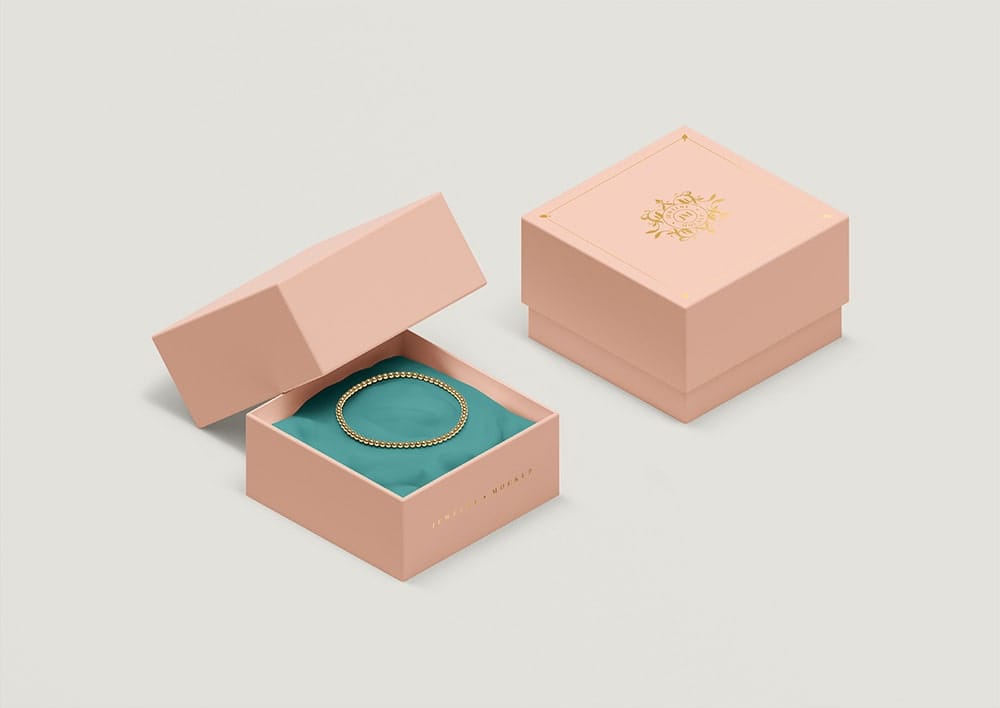
Products used to store various accessories such as necklaces, bracelets, and earrings are called jewelry boxes. Care is taken to store jewelry, preferred by both women and men, in an orderly manner. Accessories used especially in outfit combinations are one of the indispensable pieces. In this sense, since jewelry is always needed, there are also many costume jewelry companies. These boxes, also referred to as packaging products, come in different sizes with a rich range of color and model options.
Mechanical Structure of the Drawer Jewelry Box
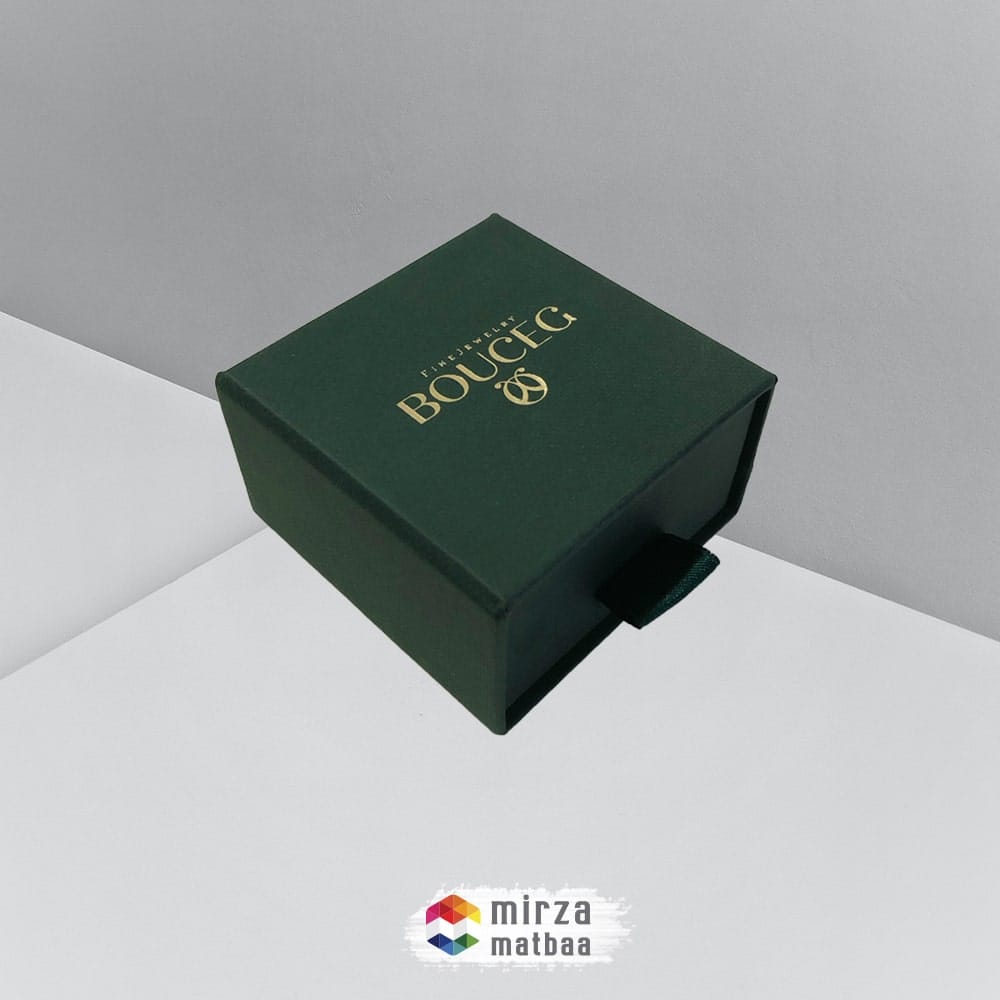
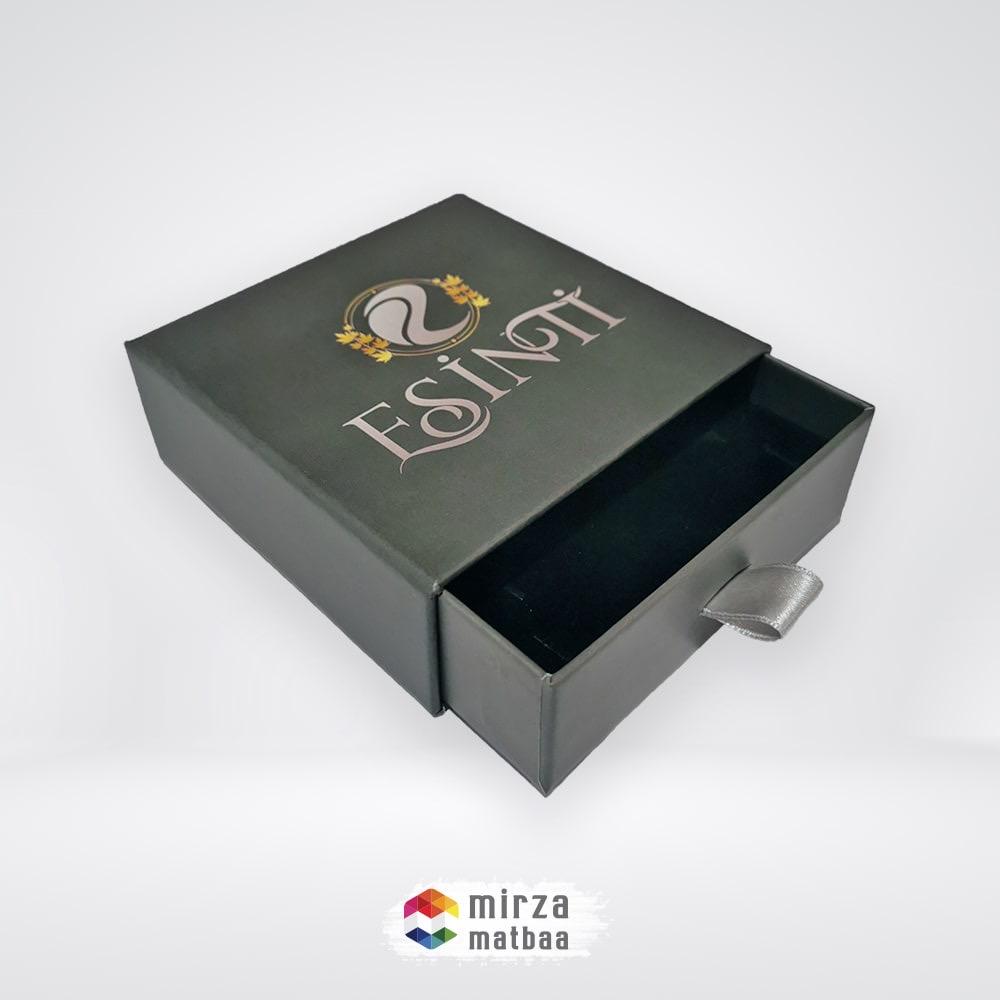
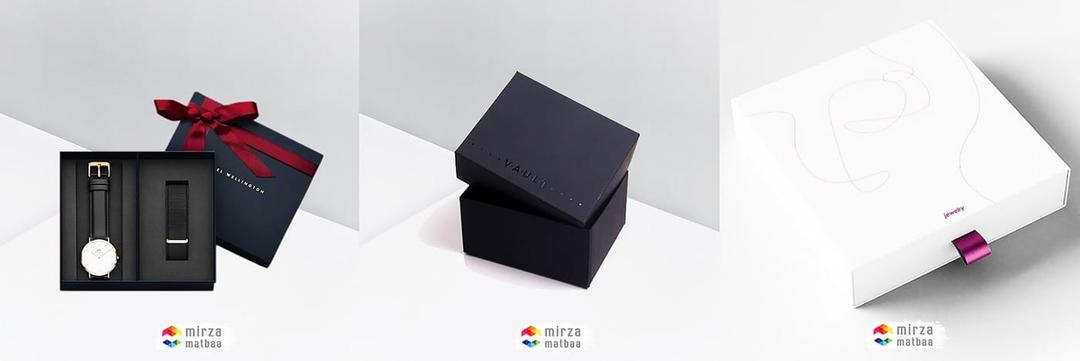
The drawer jewelry box has a two-piece structure: the outer shell and the inner drawer. This mechanical separation creates a "surprise" feeling in the unboxing experience and strengthens the premium perception. Outer shell — rigid greyboard or thick cardboard, the printing surface. The bottom and side walls are fixed. Inner drawer — an independent piece that slides into the outer shell. Inside is the jewelry placement (foam, compartment, velvet lining). Friction lock — slight friction that ensures the drawer seats fully into the outer shell. If it is too tight, it becomes difficult to open; if too loose, it falls out during shipping. The correct die fit is critical. Ribbon pull (optional) — a satin/silk ribbon attached to the outside of the drawer. It is visible as the drawer is pulled; both functional and aesthetic.
Inner Foam Types and Placement
The inner foam placement of the jewelry box varies according to the product type. Ring slot — a deep, thin slit is cut into the foam, and the ring is placed so that the crown remains exposed. Necklace hanger — an L-shaped inner divider with foam or velvet lining. Cross emphasis is visible while the necklace hangs. Earring placement — two thin slits or small holes. Earrings are placed as a pair. Bracelet loop — U-shaped foam, presenting the open form of the bracelet. Jewelry set — a compartmented interior, with separate areas for the ring/necklace/earring. In five-piece set boxes, 5 compartments are standard. Foam material — EVA (standard), PU (luxury), flock-coated (velvet-textured premium). The choice is made according to brand positioning.
Custom Design and Printing Strategies
In the jewelry box sector, print design is more nuanced than in other box categories. Since jewelry is an "emotional product," the packaging must be felt, touched, and perceived. Classic luxury jeweler — black/navy matte background, gold hot foil logo, embossed brand name. A Tiffany-style iconic color (your own brand color) may be preferred. Modern minimal — white background, thin sans-serif typography, single-color printing. For young niche jewelry brands. Romantic / feminine — powder pink, rose gold foil, handwritten logo. In the wedding ring and romantic gift segment. Artisan / handmade — kraft background, natural color tones, hand-drawn typography. For boutique jewelry workshops. Boutique / couture — a combination of rigid greyboard + soft touch + hot foil + embossing. An ultra-premium iconic brand effect.
Frequently Asked Questions
Does the drawer fall out?
No, there is a simple friction lock mechanism in the inner drawer; it can be slid without the product falling out. The lid ribbon provides extra security during transport. Die quality determines how the drawer seats.
For which products is a drawer jewelry box used?
Rings, necklaces, earrings, bracelet sets, expensive single-piece jewelry (diamond rings, engagement rings). For the economy segment (costume jewelry), the classic lidded box model is more suitable.
Foam color + material selection?
The most common is black EVA foam; for premium, velvet-lined PU foam is preferred. We produce custom foam in colors suited to your brand identity (cream, navy, burgundy, gold). Flock coating gives a soft premium feel.
How much more expensive is the drawer box compared to the standard?
Due to the two-piece structure + die cost, it is 30-40% more expensive than the classic lidded box. However, the perceived value is roughly 2-3 times higher. In the premium segment, it is a worthwhile investment.
Minimum order and delivery?
It starts from 100 units in standard size and from 500 units for custom die-cut. The delivery time is 14-18 business days (die approval + proof + production). The die cost is one-time on the first order.